Previous Work

Selected projects across robotics, embedded control, and medical device development.

A growing portfolio of practical engineering work covering embedded systems, control electronics, custom hardware, low-volume production, and prototype development. More projects can be added over time as the portfolio expands.

Assembly in action

PCB assembly capability

Short production clip showing PCB assembly in progress.
Project 01

Autonomous robotic platform with embedded control and boundary-aware operation


Development of an autonomous robotic platform designed for controlled navigation and task execution within defined operating boundaries. The system combines embedded control, sensor integration, communications, and power electronics to support reliable operation in outdoor environments.

The platform architecture was developed with modularity in mind, allowing motor control, sensing, communications, and higher-level control functions to be developed and tested independently. The system also incorporated technologies relevant to real-world field operation, including location awareness, wireless connectivity, and subsystem integration over CAN.

Key features

  • Raspberry Pi Compute Module 4 as a central compute platform
  • Custom electronics supporting high-current motor control applications
  • CAN bus integration for motor and subsystem communications
  • GPS, LoRa, IoT, Wi-Fi, and onboard audio integration
  • Low-noise DC-DC conversion and sensor interfacing

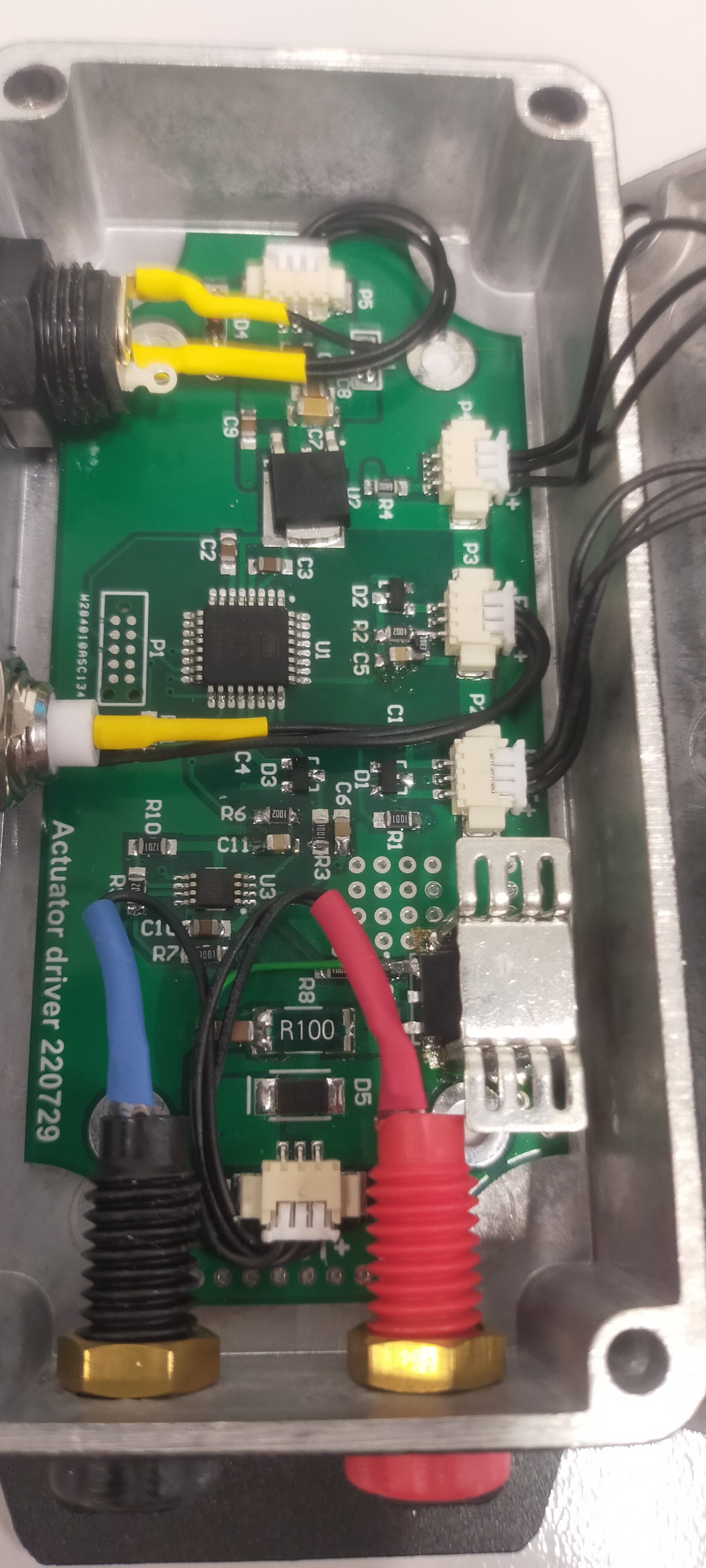
Autonomous robotic platform front view Autonomous robotic platform electronics Autonomous robotic platform development stage Autonomous robotic platform hardware Autonomous robotic platform latest iteration
Project 02

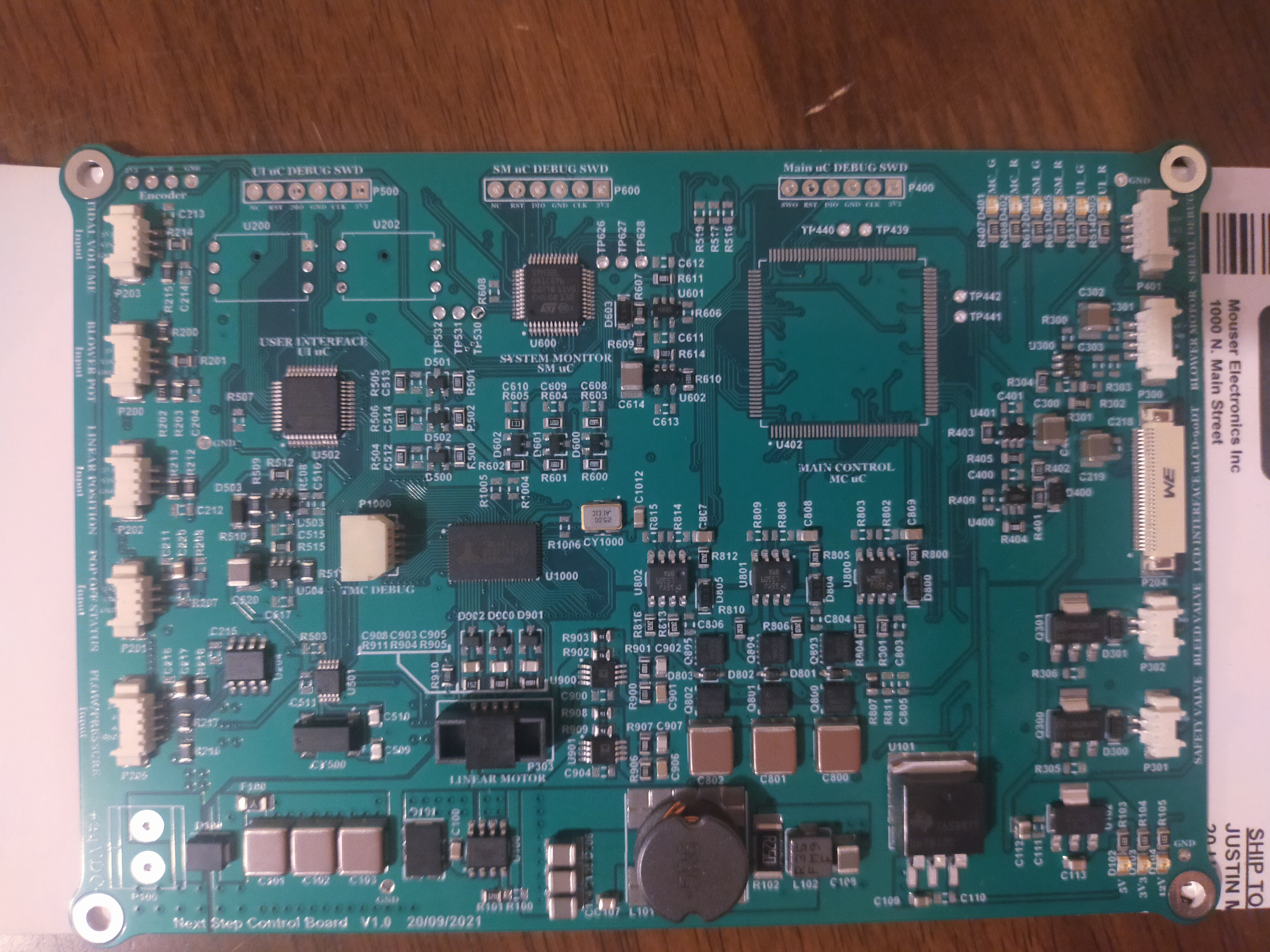
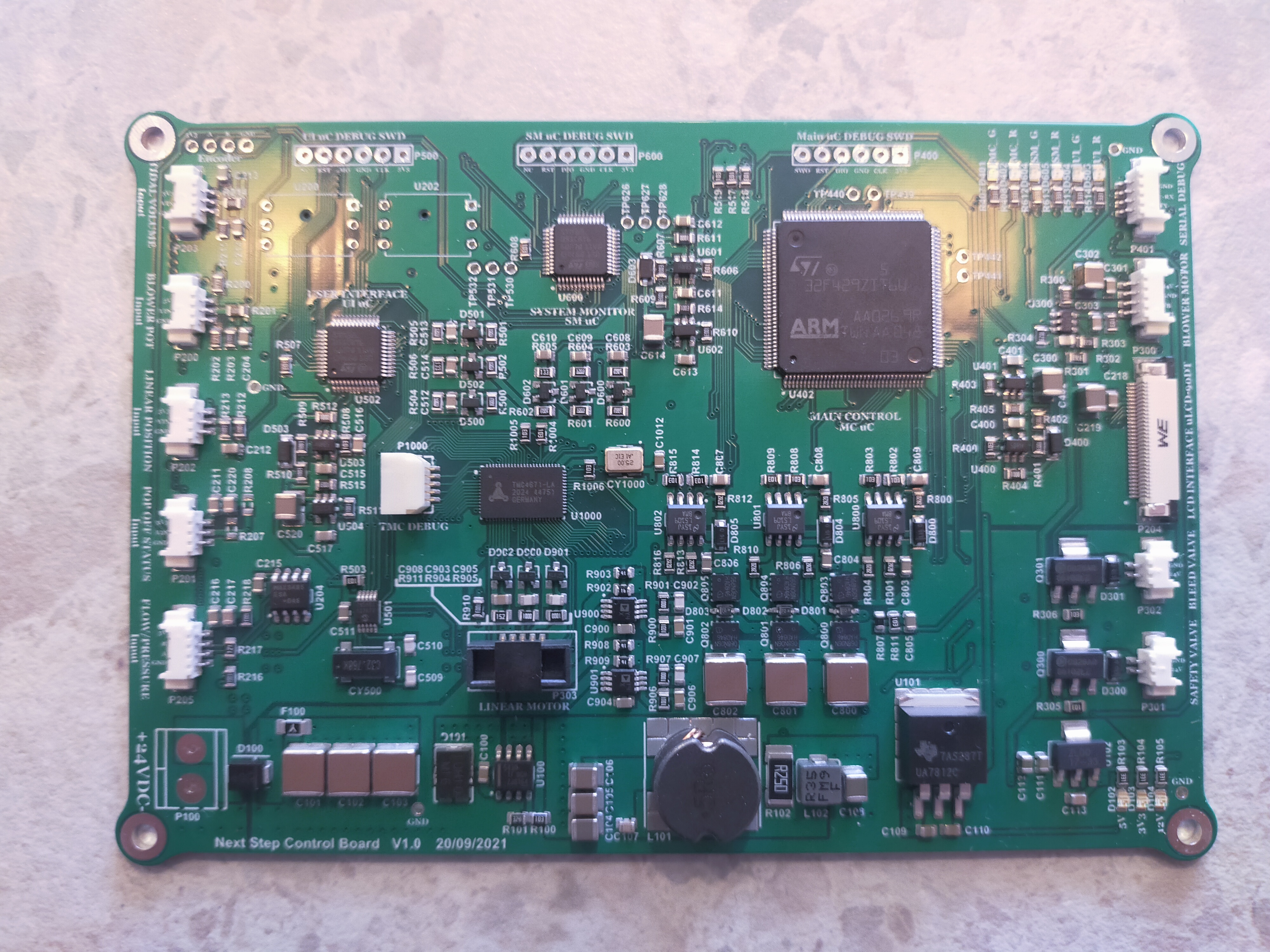
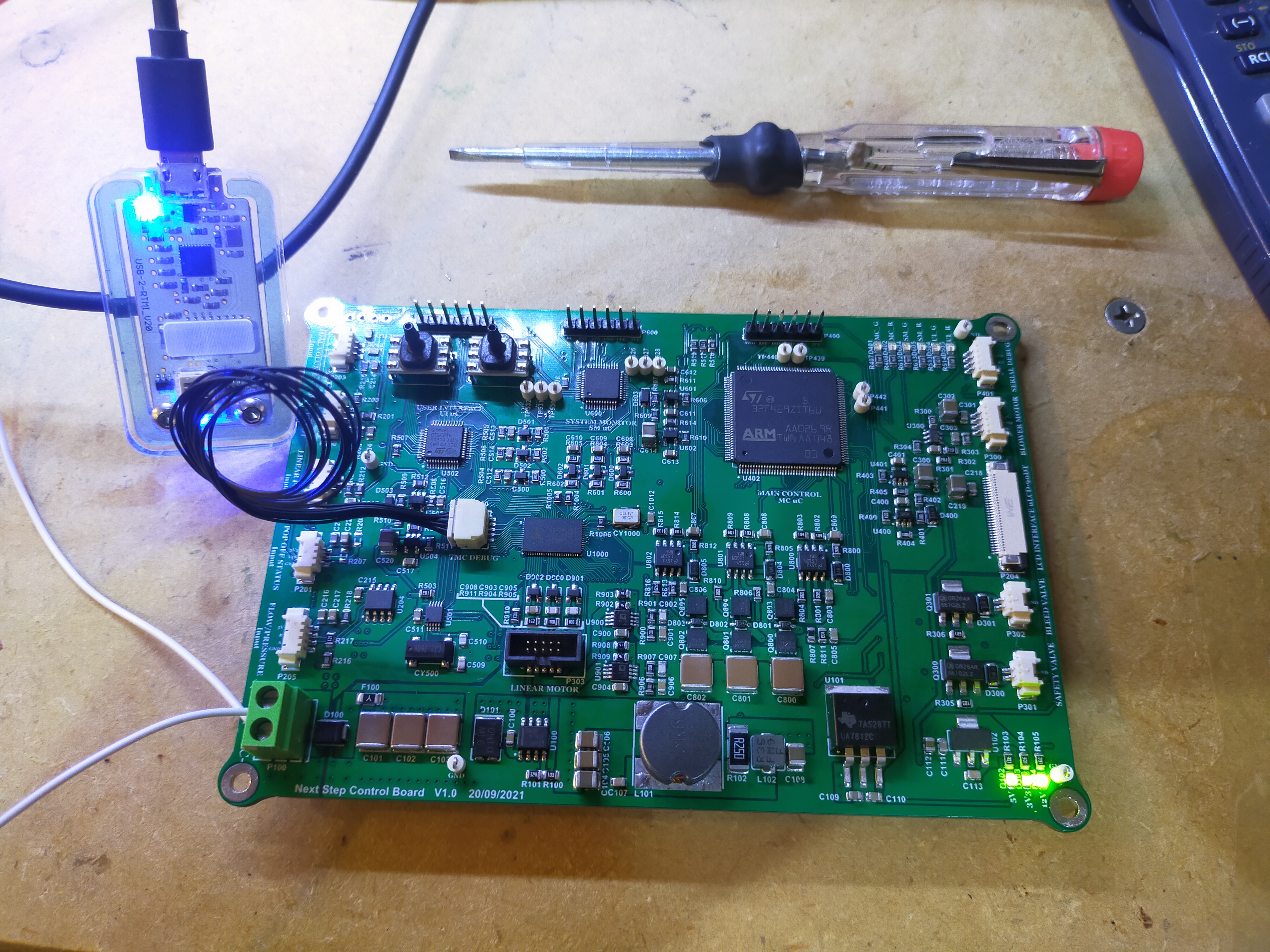
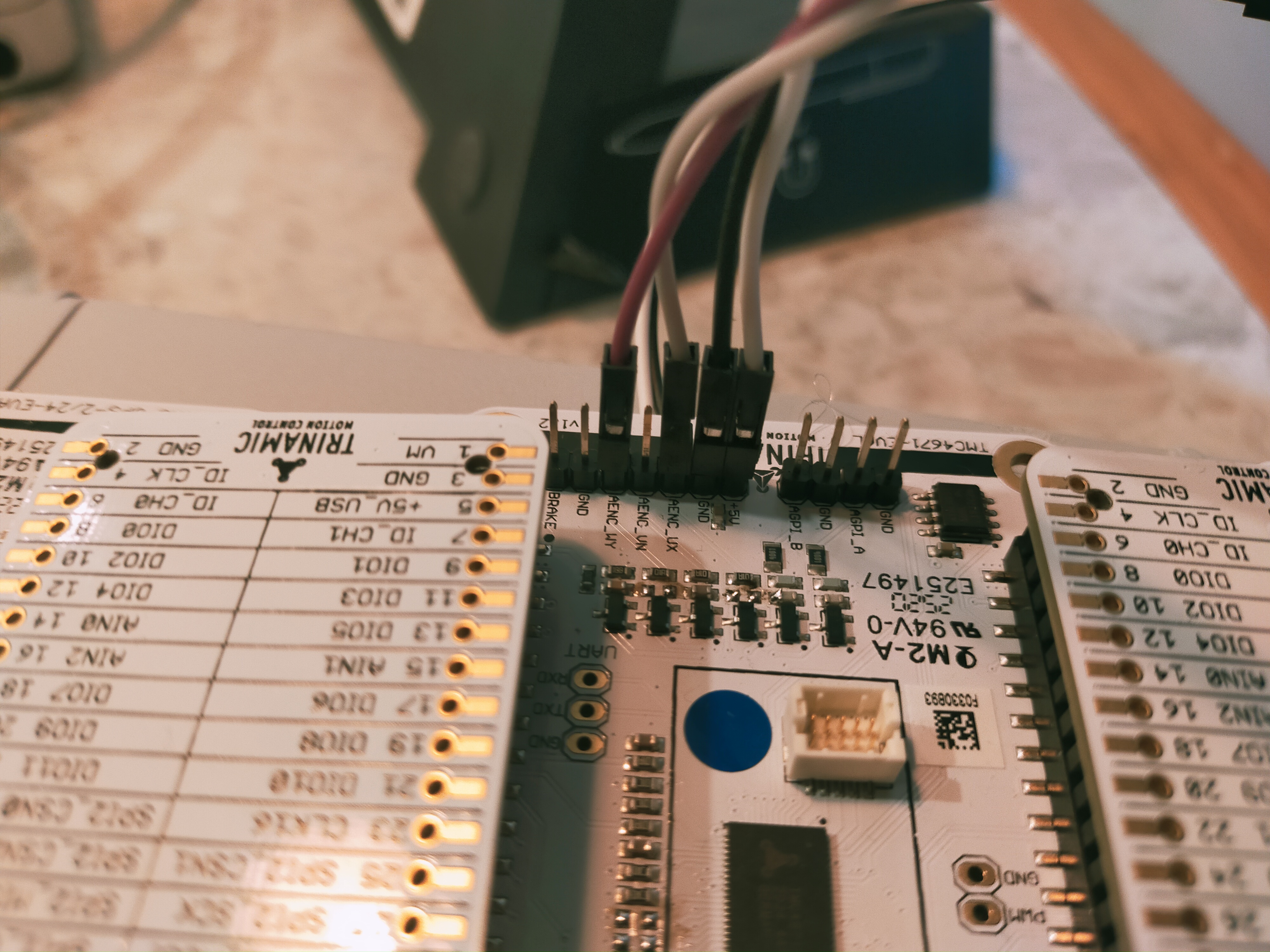
Embedded control system for infant resuscitation device

Development of custom hardware and firmware for an infant resuscitation system requiring accurate motion control, sensing, user interface integration, and safety-focused system behaviour. This work involved a higher level of determinism and robustness than a typical prototype build, with reliability and repeatability forming a central part of the engineering approach.

The system architecture included multiple controllers with clearly separated responsibilities for motor control, communications, human-machine interface, and safety management. The result was a tightly integrated medical device platform capable of accurate linear actuation and repeatable operation.

Key features

  • STM32-based control architecture
  • Three integrated microcontrollers for motor control, comms, HMI, and safety management
  • Field-oriented control for accurate positioning of a linear BLDC motor
  • LCD user interface with internal and external sensor integration
  • CAN bus, I2C, UART, and RS485 communications
  • Hardware-level safety overrides and medical-grade power supply design considerations
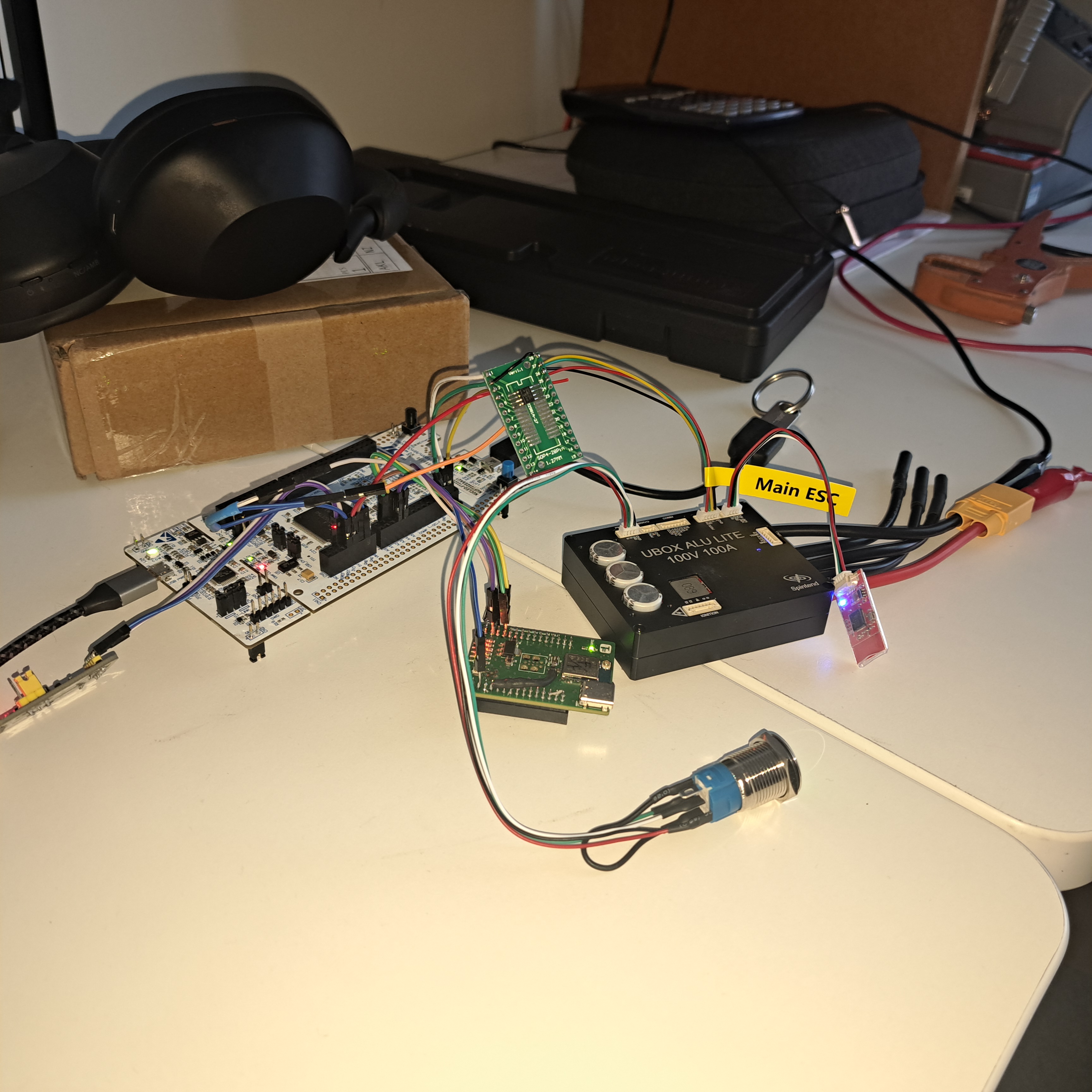

Infant resuscitator electronics assembly Infant resuscitator hardware prototype Infant resuscitator PCB and enclosure Infant resuscitator integrated system